This guide is general travel information, not medical advice. If you have heart, lung or other health conditions, or are pregnant, speak to a doctor or travel clinic before your trip.
Altitudes around Cusco
| Place | Altitude (approx.) |
|---|---|
| Machu Picchu | 2,430 m |
| Aguas Calientes | 2,000 m |
| Ollantaytambo / Urubamba | 2,800–2,900 m |
| Cusco | 3,400 m |
| Humantay Lake | 4,200 m |
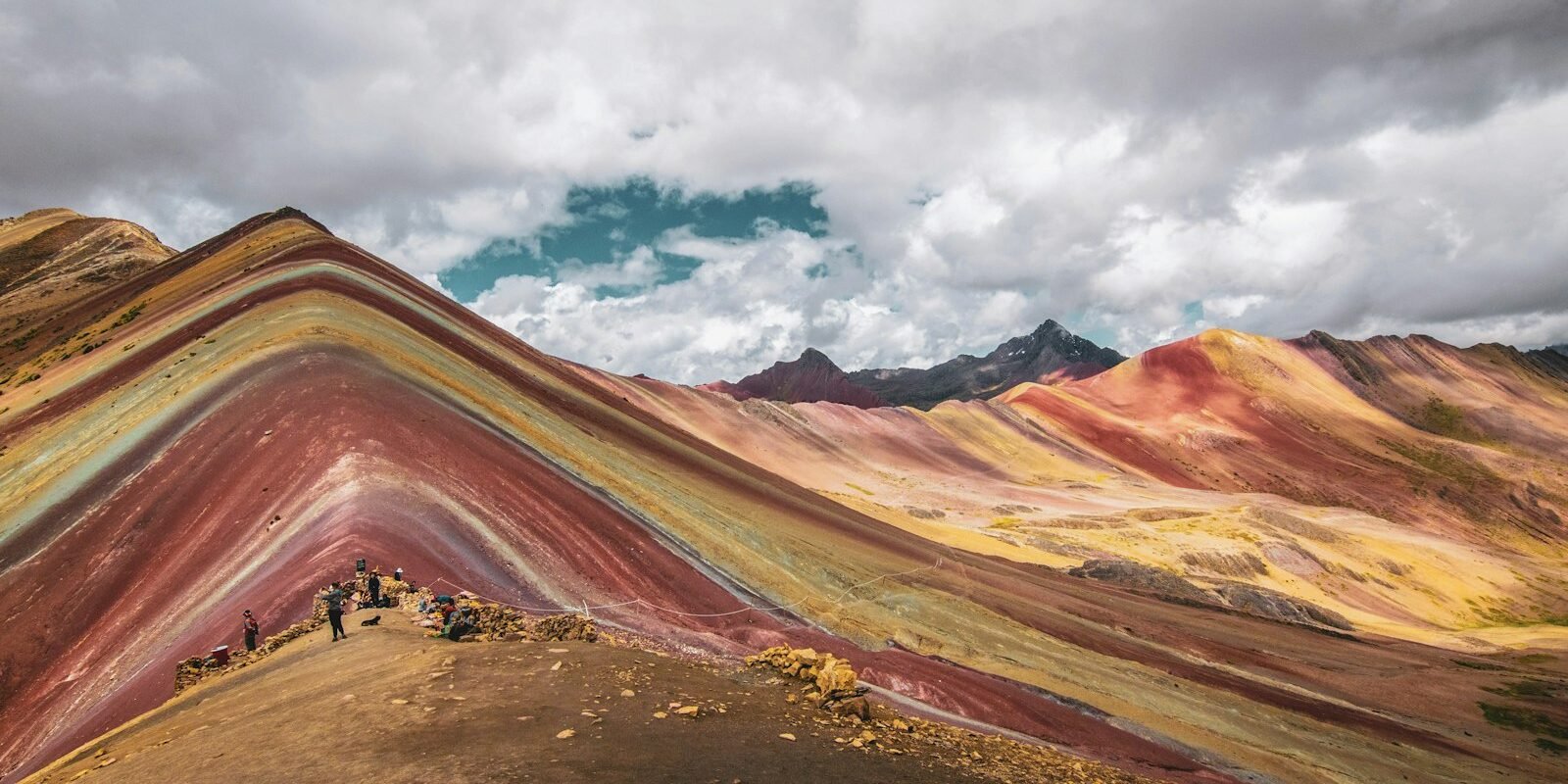
| Rainbow Mountain | 5,000+ m |
Common symptoms
- Headache
- Shortness of breath when walking uphill
- Tiredness and poor sleep
- Loss of appetite or nausea
- Dizziness
These usually ease within 1–3 days as your body adjusts.
Warning signs: get help
Seek medical help immediately and descend if you notice confusion, loss of coordination, extreme drowsiness, breathlessness at rest, a persistent cough, or a severe headache that doesn’t improve. These can be signs of serious altitude illness. Cusco has clinics experienced with altitude problems, and most hotels can provide oxygen while you wait.
How to acclimatise
- Sleep low first: spend your first 1–2 nights in the Sacred Valley, then go up to Cusco. See our Cusco itinerary.
- Slow down: walk slowly, especially uphill and on stairs, and rest on day one.
- Drink water and limit alcohol for the first 48 hours.
- Eat light meals, rich in carbohydrates.
- Save big hikes such as Rainbow Mountain for the end of your trip.
Coca tea and local remedies
Mate de coca (coca leaf tea) is offered everywhere in Cusco and many people find it helps with mild symptoms. Note that it can show up in drug tests, and you shouldn’t take coca leaves home: they are illegal in many countries.
Medication
Some travellers take prescription medication such as acetazolamide to help prevent altitude sickness. It isn’t suitable for everyone, so discuss it with your doctor before travelling. Over-the-counter painkillers can help with mild headaches.
Choosing hotels
Many Cusco hotels offer oxygen-enriched rooms or oxygen on request. Avoid hilltop neighbourhoods with lots of stairs for your first nights. See where to stay in Cusco.
More Cusco guides
- Cusco travel guide
- 15 best things to do in Cusco
- Cusco and Machu Picchu itinerary
- Where to stay in Cusco
- Best time to visit Cusco and Machu Picchu
- Machu Picchu tickets and circuits
- Train to Machu Picchu
- Sacred Valley tour
FAQ: Cusco altitude sickness
Will I get altitude sickness in Cusco?
Most people feel the altitude; fewer get real symptoms. Age and fitness don’t reliably predict who gets sick.
How long does it take to acclimatise to Cusco?
Usually 1–3 days for mild symptoms to pass.
Is Machu Picchu higher than Cusco?
No. Machu Picchu is about 1,000 metres lower, so most people feel better there.
Plan your trip to Cusco
The trusted services we use to plan our own trips.
Some links are affiliate links: if you book through them we may earn a commission at no extra cost to you.