The Japan Rail Pass (JR Pass) used to be a no-brainer for almost every first trip to Japan. Since the big price rise in October 2023 — and another increase on 1 October 2026 — that’s no longer true. For many itineraries, buying individual tickets or a regional pass now saves money.
This guide explains JR Pass prices in 2026, what the pass covers (and what it doesn’t), simple maths to decide if it’s worth it for your route, the best alternatives, and how to buy and use it. Prices come from Outlook Traveller’s report on the October 2026 increase; always check the official JR Pass website before you buy.
Japan Rail Pass prices 2026
| Pass | Before 1 Oct 2026 | From 1 Oct 2026 |
|---|---|---|
| 7 days — Ordinary | ¥50,000 | ¥53,000 |
| 14 days — Ordinary | ¥80,000 | ¥84,000 |
| 21 days — Ordinary | ¥100,000 | ¥105,000 |
| 7 days — Green Car (first class) | — | ¥74,000 |
Adult prices, source: Outlook Traveller. Children pay reduced fares — check the official site. The pass is for visitors entering Japan with “Temporary Visitor” status.
What does the JR Pass cover?
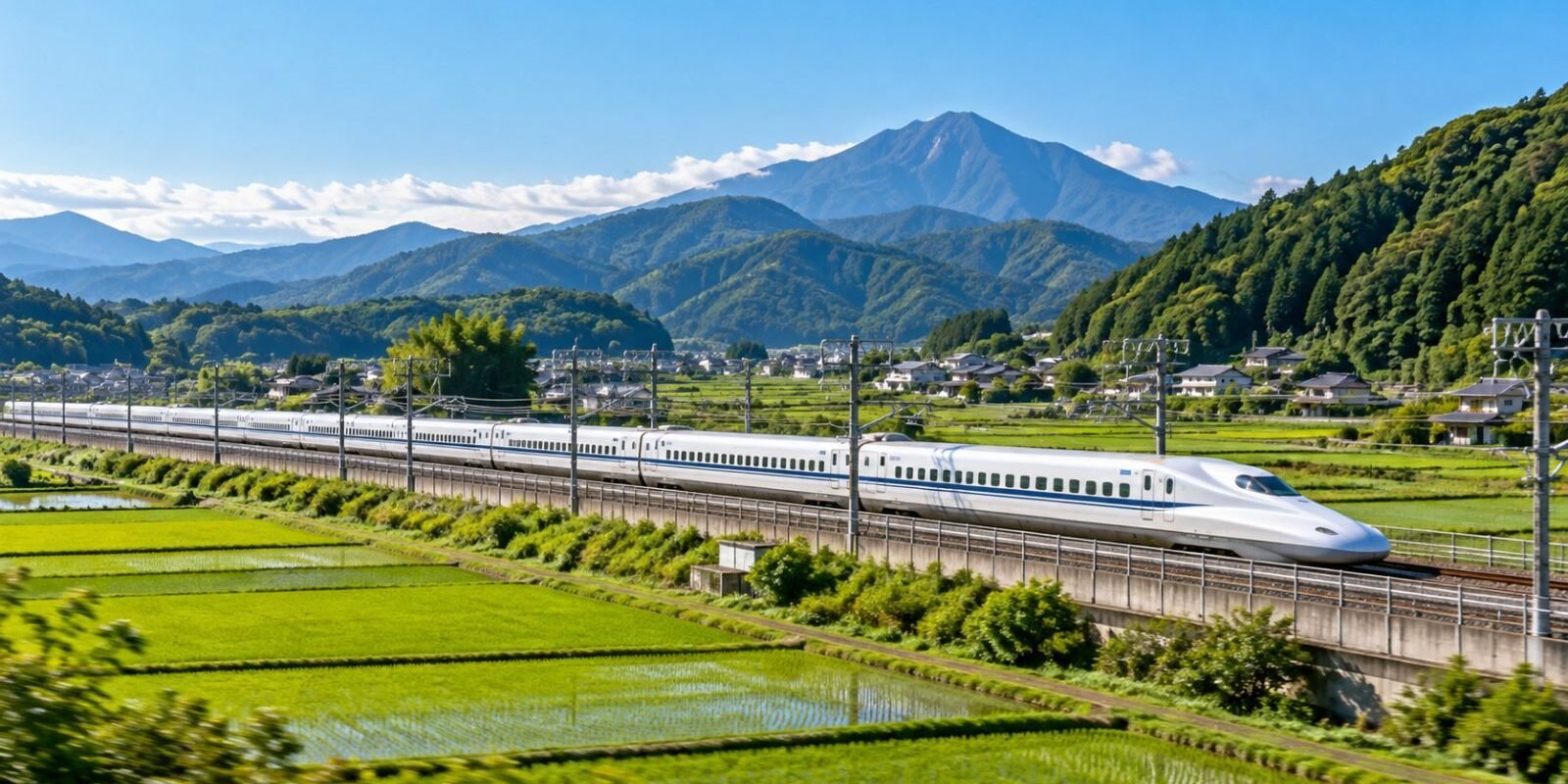
- Most JR trains across Japan, including most Shinkansen (bullet trains) such as Hikari and Kodama on the Tokyo–Kyoto–Osaka line.
- JR lines in Tokyo, such as the Yamanote loop line, and the Narita Express from Narita Airport.
- Some JR buses and the JR ferry to Miyajima.
Not covered (or extra cost)
- Nozomi and Mizuho — the fastest Shinkansen — require an extra surcharge (source).
- Tokyo Metro, Toei subway and other private railways — most of Tokyo’s subway network.
- Private lines such as the Keisei Skyliner, Keikyu and many routes around Mount Fuji.
Is the JR Pass worth it? Simple maths
Compare the pass price with what you’d pay for individual tickets on your route. Approximate one-way Shinkansen fares (reserved seat):
| Route | Approx. one-way fare |
|---|---|
| Tokyo – Kyoto | about ¥14,000 |
| Tokyo – Osaka (Shin-Osaka) | about ¥14,500 |
| Tokyo – Hiroshima | about ¥19,000–20,000 |
Our approximate figures for planning; exact fares depend on the train type and seat. Check current prices on the operators’ websites.
Example 1: Tokyo + Kyoto (round trip) → not worth it
Tokyo → Kyoto → Tokyo costs about ¥28,000 in individual tickets — far less than the ¥53,000 7-day pass. Buy single tickets.
Example 2: Tokyo → Kyoto → Hiroshima → Tokyo in 7 days → about break-even
Tokyo–Kyoto (≈¥14,000) + Kyoto–Hiroshima (≈¥11,000) + Hiroshima–Tokyo (≈¥19,500) ≈ ¥44,500, plus local JR trips and the Miyajima ferry. Close to the pass price — worth it only if you add more JR journeys, such as Nara or a Narita Express transfer.
Example 3: Tokyo → Kanazawa → Kyoto → Hiroshima → Fukuoka → Tokyo → worth it
Long, fast-paced trips across several regions are where the pass still shines.
Rule of thumb: the 7-day pass pays off if your long-distance JR trips add up to more than about ¥53,000 within 7 days — typically Tokyo to Hiroshima or further, and back.
Cheaper alternatives to the JR Pass
- Single Shinkansen tickets: best for Tokyo + Kyoto/Osaka trips. Buy at stations or online.
- Regional passes: JR East, JR West (Kansai area) and other regional passes are much cheaper and good for trips focused on one region.
- Suica or PASMO IC cards for city trains and subways — see our airport and transport guide.
- Tokyo Subway Ticket: unlimited Tokyo Metro and Toei rides for 24/48/72 hours (¥800 / ¥1,200 / ¥1,500 for adults; source).
- Highway buses — for example to Mount Fuji (see our Mount Fuji day trip guide).
How to buy and use the JR Pass
- Buy online on the official JR Pass website or from authorised sellers, before or after arriving in Japan.
- Activate it at a JR ticket office or machine at major stations and airports, choosing your start date.
- Reserve seats for Shinkansen at ticket machines or offices — especially in peak seasons.
- Use the ticket gates with your pass ticket; keep it safe, as lost passes aren’t replaced.
Tip: start the pass on the day of your first long journey, not on arrival day — use cheaper options for your first days in Tokyo.
Is the JR Pass worth it for a Tokyo-only trip?
No. In Tokyo, most sightseeing uses the subway (not covered). Use an IC card or a Tokyo Subway Ticket instead, and buy a single ticket for any day trip.
Only going Tokyo–Kyoto? See Tokyo to Kyoto by shinkansen for single-ticket fares.
More Tokyo guides
- Tokyo itinerary: 3 to 5 days
- Narita and Haneda to Tokyo
- Where to stay in Tokyo
- Mount Fuji day trip from Tokyo
- Tokyo travel guide
Still to book: flights to Tokyo, hotels in Tokyo, an eSIM for Japan and travel insurance.
FAQ: Is the JR Pass worth it?
How much is the JR Pass in 2026?
From 1 October 2026: ¥53,000 for 7 days, ¥84,000 for 14 days and ¥105,000 for 21 days (Ordinary, adults). The 7-day Green Car pass costs ¥74,000.
Is the JR Pass worth it for Tokyo and Kyoto?
Usually not. A Tokyo–Kyoto round trip costs about ¥28,000 in single tickets, much less than the 7-day pass.
Can I ride the Nozomi with the JR Pass?
Only by paying an extra surcharge. Hikari trains on the same route are covered.
Does the JR Pass work on the Tokyo subway?
No. Tokyo Metro and Toei subway lines aren’t covered; JR lines like the Yamanote Line are.
Is the JR Pass worth it for 7 days?
Only if your long-distance JR journeys cost more than about ¥53,000 in that week — for example Tokyo to Hiroshima and back with stops on the way.
Who can buy the Japan Rail Pass?
Foreign visitors entering Japan with “Temporary Visitor” status.
Book your trip: our favourite tools
The trusted services we use to plan our own trips.
Some links are affiliate links: if you book through them we may earn a commission at no extra cost to you.