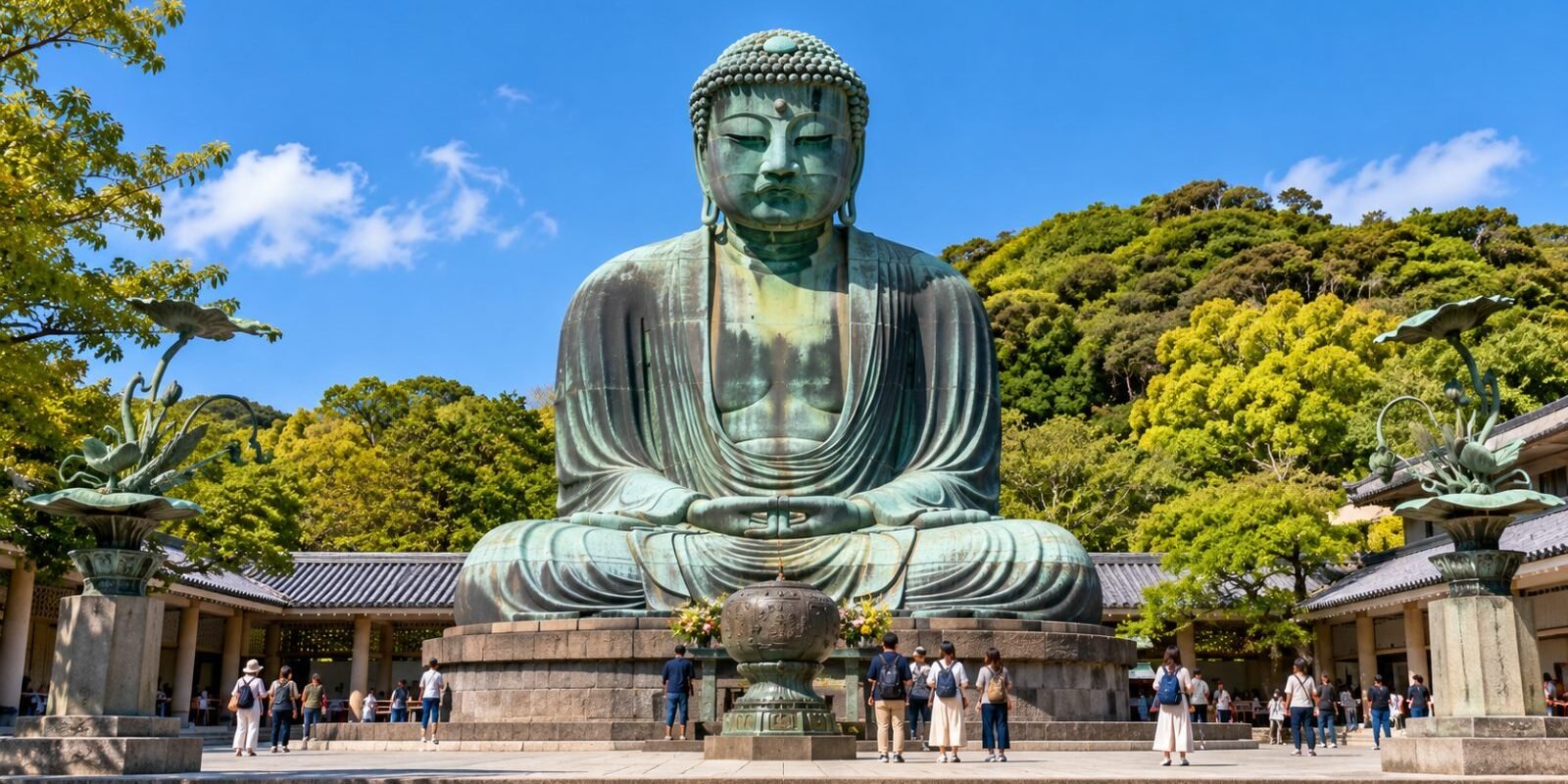
Tokyo is one of the best bases in Japan for day trips. Within two hours by train or bus you can see Mount Fuji, soak in hot springs, visit giant Buddhas and centuries-old shrines, or walk along the sea. Most trips are easy to do on your own with an IC card or a local pass.
This guide compares the best day trips from Tokyo with 2026 travel times, costs, passes and what to see. Prices come from recently updated guides — Japan Travel Kit (Hakone, October 2026), Self Guide Japan (Kamakura, 2026), The Navigatio (Nikko, July 2026) and Magical Trip (Mount Fuji, 2026) — and can change, so check before you travel.
Best day trips from Tokyo at a glance
| Destination | From | Travel time | Best for |
|---|---|---|---|
| Mount Fuji (Kawaguchiko) | Shinjuku | about 1h35 by bus | Fuji views, pagoda, lakes |
| Hakone | Shinjuku | about 1.5–2h | Onsen, Lake Ashi, volcanic valley |
| Kamakura | Tokyo / Shinjuku | about 1h | Great Buddha, temples, beach |
| Nikko | Asakusa | about 1h50 by limited express | UNESCO shrines, waterfalls, nature |
| Yokohama | Tokyo / Shibuya | under 1h | Waterfront, Chinatown, museums |
1. Mount Fuji and Lake Kawaguchiko
The classic day trip: the Chureito Pagoda with Mount Fuji behind it, lake reflections and the Oshino Hakkai ponds. The highway bus from Busta Shinjuku takes about 1h35 and costs around ¥2,000 one way; the Fuji Excursion train takes about 2 hours (source). Visibility is best from October to January, in the morning.
Full details, costs and crowd rules in our Mount Fuji day trip guide.
2. Hakone
Hakone is a mountain resort famous for hot springs (onsen), the steaming Owakudani volcanic valley, Lake Ashi with its sightseeing boats and, on clear days, views of Fuji.
How to get to Hakone
- Odakyu Line from Shinjuku to Hakone-Yumoto. The Romancecar limited express is the fastest and most comfortable option; it needs a seat surcharge of ¥1,200 for adults (source).
- Hakone Freepass: covers the round trip on the regular Odakyu line plus most transport in Hakone. 2-day pass from Shinjuku ¥7,100 (adult); 3-day ¥7,500; from Odawara ¥6,000 / ¥6,400. There’s no 1-day version (source).
The Hakone loop
- Odakyu train to Hakone-Yumoto
- Hakone Tozan Train up the mountain
- Cable car to Sounzan
- Ropeway over Owakudani — try the black eggs boiled in the hot springs
- Sightseeing cruise across Lake Ashi
- Bus back to Hakone-Yumoto
The loop works in either direction (source). Allow a full day; Hakone is even better with one night in a ryokan — compare ryokan in Hakone.
3. Kamakura
Kamakura was Japan’s capital in the 12th–14th centuries and is the easiest day trip from Tokyo: temples, shrines, hiking trails and a beach, about an hour away.
How to get to Kamakura
- From Tokyo Station: JR Yokosuka Line, about 55–65 minutes, about ¥1,040 one way (after the JR East fare change in March 2026) (source).
- From Shinjuku or Shibuya: direct JR Shonan-Shinjuku Line trains take about an hour.
- The JR Pass covers both lines — see is the JR Pass worth it.
What to see in Kamakura
- The Great Buddha (Kotoku-in): a 13th-century bronze Buddha; ¥300 entry, plus ¥50 to go inside the statue (source).
- Hasedera Temple: ¥400, with sea views and hydrangeas in June.
- Tsurugaoka Hachimangu: Kamakura’s main shrine — free.
- Komachi-dori: a busy street of snacks and souvenirs.
- Enoden line to Hase and on to Enoshima island for sunset.
4. Nikko
Nikko is a UNESCO World Heritage site in the mountains north of Tokyo: the lavish Toshogu Shrine, the red Shinkyo Bridge, cedar forests and, higher up, Kegon Falls and Lake Chuzenji.
How to get to Nikko
- Tobu limited express from Asakusa to Tobu-Nikko: about 1h50, versus about 3 hours on regular trains (source).
- Express surcharges: Spacia X from ¥1,740; Spacia and Revaty Kegon from ¥1,450 (higher at weekends), on top of the basic fare (source).
- NIKKO PASS World Heritage Area: ¥3,000 for adults — round trip from Asakusa (basic fare) plus local buses to the shrine area; shrine and temple entrance fees are extra. The All Area pass (¥8,000, 4 days) adds Kegon Falls and Lake Chuzenji (source).
Tip: Nikko is a long day. If you want to see the lake and waterfalls too, stay overnight — compare hotels in Nikko.
5. Yokohama
Japan’s second-largest city is less than an hour from central Tokyo: the Minato Mirai waterfront, Japan’s biggest Chinatown, the Cup Noodles Museum and the Sankeien Garden. It’s an easy half-day or evening trip with an IC card.
Other day trips worth considering
- Kawagoe: “Little Edo”, with old merchant houses, about 30–60 minutes from Ikebukuro.
- Tokyo Disney Resort: 15 minutes from Tokyo Station — see our Tokyo Disney tickets guide.
- Karuizawa: a mountain resort reached by Shinkansen in about an hour.
How to choose your day trip
| If you want… | Go to |
|---|---|
| Mount Fuji views | Kawaguchiko (or Hakone on clear days) |
| Hot springs | Hakone |
| Temples and an easy trip | Kamakura |
| Ornate shrines and nature | Nikko |
| A short, rainy-day option | Yokohama |
Tips for day trips from Tokyo
- Start early — trains and buses fill up, and mornings have the clearest skies.
- Check the weather before Fuji or Hakone; swap days if it’s cloudy.
- Use a Suica or PASMO card for local trains and buses.
- Avoid weekends and Japanese holidays if you can.
- Do the maths on passes — the Hakone Freepass is often worth it; the JR Pass rarely is for day trips alone.
Planning where to base yourself? Shinjuku is ideal for Hakone and Fuji, and Asakusa for Nikko — see where to stay in Tokyo. Don’t forget travel insurance for Japan.
More Tokyo guides
- Mount Fuji day trip from Tokyo
- Tokyo itinerary
- Best things to do in Tokyo
- Best time to visit Tokyo
- Tokyo travel guide
FAQ: Day trips from Tokyo
What is the best day trip from Tokyo?
Mount Fuji (Lake Kawaguchiko) for scenery, Hakone for hot springs and Kamakura for an easy cultural day.
Can you do Hakone as a day trip from Tokyo?
Yes. Take the Odakyu Line or Romancecar from Shinjuku and follow the Hakone loop — but start early.
How do I get from Tokyo to Kamakura?
Take the JR Yokosuka Line from Tokyo Station (about an hour, around ¥1,040) or the Shonan-Shinjuku Line from Shinjuku.
Is Nikko worth a day trip from Tokyo?
Yes, for its UNESCO shrines and mountain scenery; take the Tobu limited express from Asakusa (about 1h50).
Is the Hakone Freepass worth it?
Usually, if you’re doing the full Hakone loop — it covers the round trip from Shinjuku and most transport in Hakone.
Which day trip is best for seeing Mount Fuji?
Lake Kawaguchiko and the Chureito Pagoda, ideally on a clear morning between October and January.
Book your trip: our favourite tools
The trusted services we use to plan our own trips.
Some links are affiliate links: if you book through them we may earn a commission at no extra cost to you.