Bangkok rewards a bit of planning: temples are best early, the heat peaks at midday and the city comes alive at night. This itinerary groups sights by area to beat the traffic, with 2026 prices from official and recently updated sources.
Bangkok itinerary at a glance
| Day | Area | Highlights |
|---|---|---|
| Day 1 | Old Town & river | Grand Palace, Wat Pho, Wat Arun, Chinatown |
| Day 2 | Day trip | Damnoen Saduak floating market, Maeklong Railway Market, rooftop bar |
| Day 3 | Modern Bangkok | Jim Thompson House, Siam, Lumpini Park, Thai massage |
| Day 4 | Day trip | Ayutthaya |
Day 1: Grand Palace, temples and Chinatown
8:30 – Grand Palace and the Emerald Buddha (฿500; source) — dress with covered shoulders and knees.
11:00 – Wat Pho and the Reclining Buddha (about ฿300; source).
12:30 – Ferry to Wat Arun (about ฿200), then lunch by the river.
Afternoon – rest at your hotel pool during the hottest hours.
Evening – Chinatown (Yaowarat) for street food. Full details in our temples guide.
Day 2: Floating market and rooftop sunset
Early morning – Damnoen Saduak floating market (about 2 hours from Bangkok; source), then the Maeklong Railway Market. See our floating markets guide.
Afternoon – back in Bangkok and a traditional Thai massage.
Sunset – a rooftop bar in Silom or Sukhumvit, or the Mahanakhon SkyWalk.
Day 3: Modern Bangkok (or Chatuchak at the weekend)
Morning – Jim Thompson House, the silk merchant’s teak home.
Midday – Siam malls (Siam Paragon, CentralWorld, MBK) for air-conditioned shopping and food courts.
Afternoon – Lumpini Park.
Weekend option – Chatuchak Weekend Market in the morning instead.
Evening – ICONSIAM by the river or a Chao Phraya dinner cruise.
Day 4: Ayutthaya day trip
Explore the ruined temples of the former royal capital, a UNESCO World Heritage site north of Bangkok, by train, minivan or tour. Compare Ayutthaya tours.
Bangkok itinerary for 3 days
Follow Days 1–3. If you prefer, swap the floating market for a cooking class or Muay Thai night.
Getting around
- BTS and MRT avoid the traffic — the MRT accepts contactless bank cards; the BTS needs a ticket or Rabbit card (source).
- River boats for the temples and ICONSIAM.
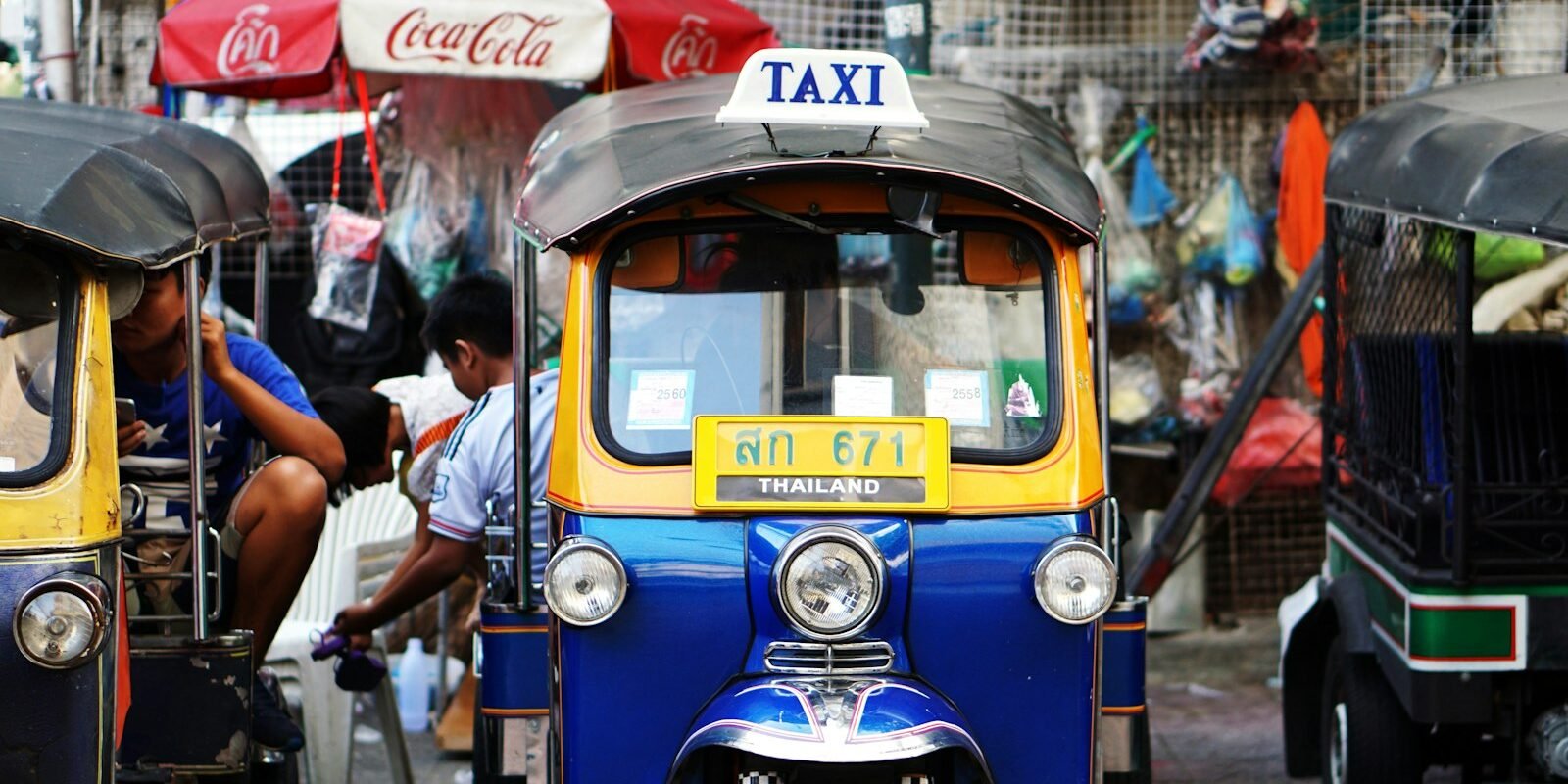
- Grab or metered taxis at night.
- Full guide: Bangkok airport, BTS & MRT.
Best time to visit Bangkok
November to February is the coolest and driest period; March–May is very hot, and May–October is the rainy season, with September the wettest month (source). See our best time to visit Bangkok guide.
Before you go
- Complete the TDAC within 72 hours before arrival — see our Thailand Digital Arrival Card guide.
- Visa-free stays are now 30 days for eligible nationalities (source).
- Still to book: flights to Bangkok, hotels in Bangkok, a Thailand eSIM and travel insurance.
More Bangkok guides
- Best things to do in Bangkok
- Where to stay in Bangkok
- Grand Palace, Wat Pho & Wat Arun tickets
- Floating markets near Bangkok
- Bangkok airport to city, BTS & MRT
- Best time to visit Bangkok
- Thailand Digital Arrival Card (TDAC)
- Bangkok travel guide
FAQ: Bangkok itinerary
How many days do you need in Bangkok?
Three days for the highlights, four or five with a floating market and Ayutthaya.
What should I not miss in Bangkok?
The Grand Palace, Wat Pho, Wat Arun, Chinatown at night and a river boat ride.
Is 3 days enough for Bangkok?
Yes, for the main temples, markets and food.
What is the best day for Chatuchak Market?
Saturday or Sunday morning, before the heat.
Can I visit a floating market and Ayutthaya on the same day?
It’s possible on some tours, but it’s a very long day — better on separate days.
What is the best way to get around Bangkok?
The BTS Skytrain, MRT subway and river boats, plus Grab or metered taxis.
Book your trip: our favourite tools
The trusted services we use to plan our own trips.
Some links are affiliate links: if you book through them we may earn a commission at no extra cost to you.