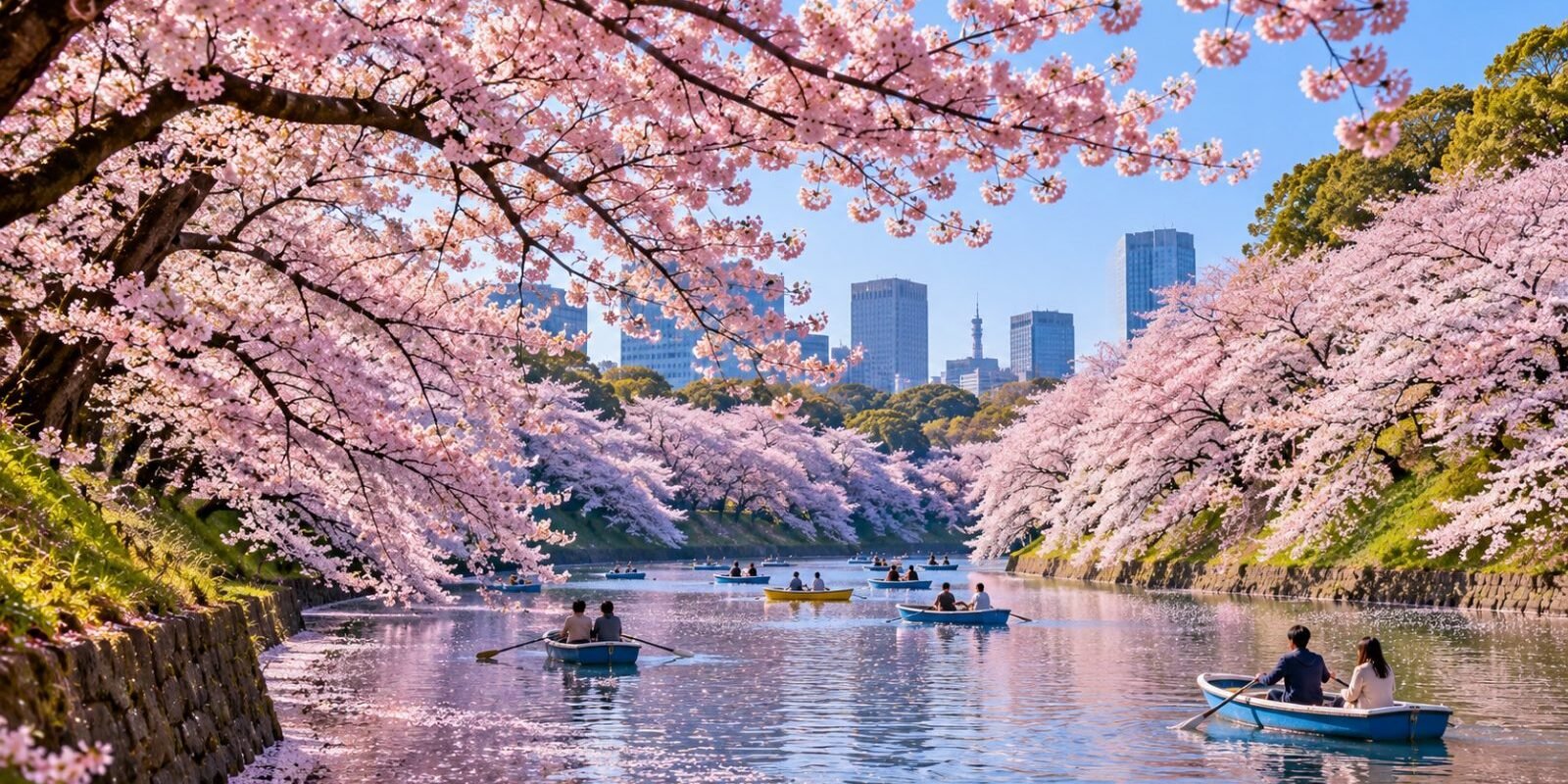
Tokyo is a year-round city, but the season changes your trip a lot: cherry blossoms in spring, festivals and fireworks in a hot summer, golden ginkgo trees in autumn and crisp, clear winter days with the best views of Mount Fuji. Prices and crowds also swing sharply around Japanese holidays.
This guide explains the best time to visit Tokyo month by month, with average temperatures from JW Web Magazine, 2026 cherry blossom dates from Time Out Tokyo, the busiest periods to avoid and the cheapest months to go.
Tokyo seasons at a glance
| Season | Temperature | Highlights | Downsides |
|---|---|---|---|
| Spring (Mar–May) | 5–23°C | Cherry blossoms, mild weather | Crowds and high prices; Golden Week |
| Summer (Jun–Aug) | 19–31°C | Festivals, fireworks, Mount Fuji climbing season | Rainy season, heat and humidity |
| Autumn (Sep–Nov) | 9–27°C | Comfortable weather, autumn leaves | Typhoon risk in September and early October |
| Winter (Dec–Feb) | 2–12°C | Clear skies, Fuji views, illuminations, lower prices | Cold evenings; busy at New Year |
Average temperature ranges: JW Web Magazine.
Spring: cherry blossom season
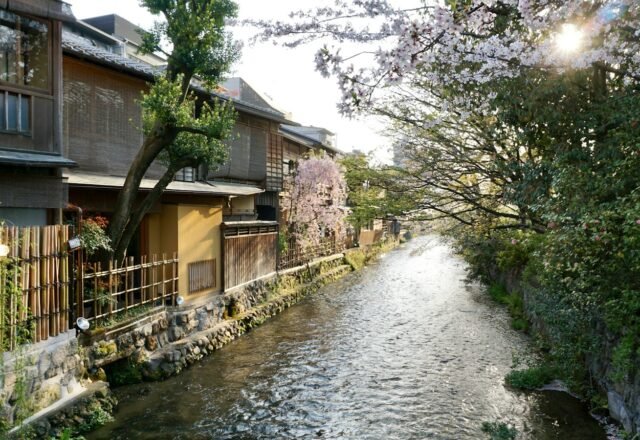
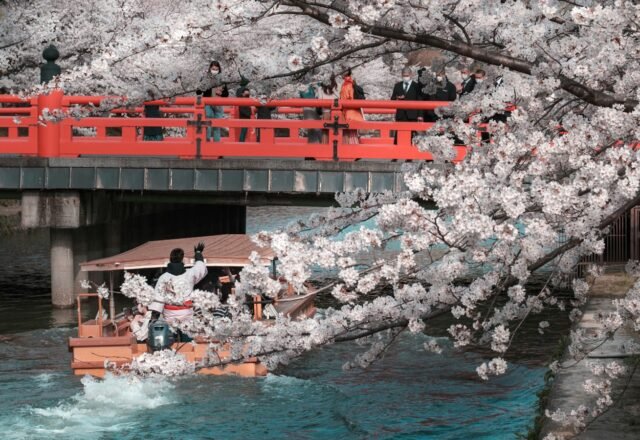
Spring is Tokyo’s most famous season. The somei-yoshino cherry trees usually bloom in late March, with full bloom about a week later lasting into early April.
- 2026 dates: the Japan Meteorological Agency declared the start of the season on 19 March 2026 (based on the sample tree at Yasukuni Shrine), five days earlier than the year before, with full bloom forecast for 25 March (Time Out Tokyo).
- Planning for 2027? Book your trip for the last week of March and first week of April, then follow the official forecasts published from early in the year.
- Best spots: Ueno Park, Shinjuku Gyoen, Chidorigafuchi near the Imperial Palace, the Meguro River and Sumida Park near Skytree.
- Golden Week (late April to early May) is a cluster of Japanese holidays: trains, hotels and attractions are packed and prices rise.
Hotels fill fast in sakura season — compare hotels in Tokyo early and see where to stay in Tokyo.
Summer: festivals and fireworks
- Rainy season (tsuyu): roughly early June to mid-July — grey skies and showers, but fewer tourists and beautiful hydrangeas (for example in Kamakura).
- Heat: July and August are hot and very humid, with highs around 31°C (source).
- Festivals: summer is the season of matsuri and fireworks displays, including the famous Sumida River fireworks in late July.
- Mount Fuji: the official climbing season runs from early July to mid-September — though Fuji is often hidden by haze when viewed from afar.
- Obon in mid-August is another busy domestic travel period.
Summer tips: plan indoor sights for midday — teamLab, museums, department stores — and go out early in the morning and in the evening.
Autumn: the best weather
- September: still warm and humid, with a risk of typhoons from August to early October.
- October–November: many travellers’ favourite time — clear, mild days and fewer crowds than spring.
- Autumn leaves: Tokyo’s leaves usually peak from late November to early December — the ginkgo avenue at Meiji Jingu Gaien, Rikugien Garden and Shinjuku Gyoen are stunning.
- Halloween in Shibuya draws huge crowds; the city has discouraged street drinking in recent years.
Winter: clear skies and lower prices
- Weather: cold but mostly dry and sunny, with highs of about 10–12°C (source). Snow in central Tokyo is rare.
- Best Fuji views: winter mornings have the clearest skies — great from Tokyo Skytree, Shibuya Sky or on a Mount Fuji day trip.
- Illuminations: winter light displays run across the city from November to February.
- New Year: many shops and restaurants close for a few days around 1 January, and shrines like Meiji Jingu are extremely busy for hatsumode (first shrine visit).
- Cheapest period: mid-January to early March, outside holidays.
Tokyo month by month
| Month | What to expect |
|---|---|
| January | Cold and clear; New Year closures at the start; cheap later in the month |
| February | Cold, dry, low prices; plum blossoms |
| March | Warming up; cherry blossoms from late March; prices rise |
| April | Blossoms early in the month; Golden Week starts at the end |
| May | Warm and pleasant after Golden Week; Sanja Matsuri in Asakusa |
| June | Rainy season; fewer tourists; hydrangeas |
| July | Rainy season ends; hot; festivals and fireworks begin |
| August | Hottest, most humid month; Obon; typhoon risk |
| September | Warm; typhoon risk; quieter |
| October | Mild and clear; excellent for sightseeing |
| November | Crisp, sunny; autumn leaves later in the month |
| December | Leaves early in the month; illuminations; busy at year-end |
When are the crowds and prices highest?
- Cherry blossom season (late March–early April)
- Golden Week (late April–early May)
- Obon (mid-August)
- New Year (late December–early January)
- Weekends at popular attractions such as Tokyo Disney and teamLab
Our verdict
For a first trip, aim for late March–early April if you want cherry blossoms and don’t mind crowds, or October–November for the most comfortable sightseeing. On a budget, February is hard to beat. Whenever you go, our Tokyo itinerary and things to do in Tokyo guides will help you plan.
Visiting Kyoto too? See the best time to visit Kyoto for cherry blossom and autumn leaf dates.
More Tokyo guides
- Tokyo itinerary
- Best things to do in Tokyo
- Best day trips from Tokyo
- Tokyo food guide
- Tokyo travel guide
FAQ: Best time to visit Tokyo
What is the best month to visit Tokyo?
Late March to early April for cherry blossoms, or October and November for comfortable weather and autumn colours.
When is cherry blossom season in Tokyo?
Usually late March to early April. In 2026 the season officially began on 19 March, with full bloom forecast for 25 March.
What is the cheapest time to visit Tokyo?
Mid-January to early March and June, outside Japanese holidays.
When is rainy season in Tokyo?
Roughly early June to mid-July.
Is Tokyo too hot in summer?
July and August are hot and humid, with highs around 31°C; plan indoor sights at midday.
When is the best time to see Mount Fuji from Tokyo?
Clear winter mornings, from about December to February.
Book your trip: our favourite tools
The trusted services we use to plan our own trips.
Some links are affiliate links: if you book through them we may earn a commission at no extra cost to you.